

When CX Was Analog: The scrappy roots still powering Percepta’s CX culture
A look back at the earliest days of Percepta, through the eyes of two people who were there from the beginning.

Originally published on LinkedIn on October 28, 2025.
Last week brought a flurry of recognition. We celebrated 9 MarCom Group awards, including a platinum for our 2024 lookbook and new website. We also announced three new Comparably awards, including Best Company for Work-Life Balance and were honored with three InHerSight awards, including a spot on The 20 Best Outsourcing/Offshoring Companies to Work For As Rated by the Women Who Work There. These awards reflect the culture we’ve built. But none of it happened overnight.
As part of our 25th anniversary celebration, Andrea Cervini sat down with two of our longest-tenured employees, Jennifer Watts and Kimberly Backaitis, to revisit what Percepta looked like in the beginning. What she uncovered was not just a story about systems and processes. It was a story about people, culture, and what it truly means to build something from scratch.
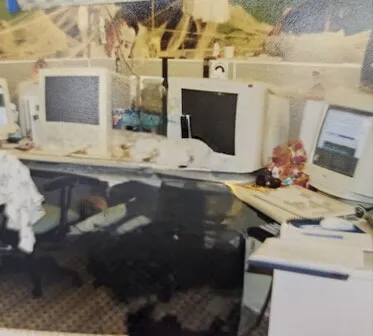
Startup Energy Without the Start-Up Tools
“It felt like a startup,” Kim said. “But without the slick tools or hype.”
In those early days, Percepta’s contact centers were built for action, not aesthetics. Five-foot cubicle walls defined the workspace, with five agents and a team lead sharing each pod. There were no dashboards, no centralized data systems, and no cross-platform visibility.
Performance data was tracked by hand. Whiteboards in the center of the floor displayed key metrics — updated manually throughout the day. If you needed information, you turned to printed guides, reference binders, or the person next to you.
“We didn’t wait to be told what to do,” Jen said. “If something needed to be solved, you solved it.”
Escalations were handled in person. Collaboration happened in real time — not in scheduled meetings. Leaders stayed close to the floor, and decisions were made quickly, often with limited tools but deep context.
“We were encouraged to lead our business units with a CEO’s mindset,” Jen explained. “That meant understanding every factor that influenced our operations, making informed decisions, and owning the outcomes completely.”
It wasn’t about having the flashiest tools or the biggest budgets, it was about taking full accountability, thinking strategically, and acting with integrity. That sense of ownership and responsibility became the foundation of Percepta’s culture — and that mindset shaped the culture that still defines Percepta today.
Tech, Tools, and Finding a Way
The technology landscape looked completely different 25 years ago. There were no centralized platforms, no CRM integration, and no cloud-based tools. Each system had its own purpose, but they didn’t connect the way we expect them to today.
“Nothing talked to each other,” Kim said. “If you needed something, you had to know exactly where it lived. And sometimes that meant paper.”
Performance dashboards weren’t part of the setup yet. Instead, key metrics were updated manually on shared whiteboards in the center of the floor. Escalations were printed, highlighted, and delivered in person. Dealer support ran through satellite transmissions — actual dishes mounted on the roof to receive training modules and updates.
“We actually had to reposition the satellite dish ourselves,” Kim said. “And when one of them fell out of orbit, we used fax machines as a backup. No one panicked. We just figured it out.”
There were no searchable knowledge bases or automated workflows. If something wasn’t working, teams leaned on each other. They shared what they knew, asked the right questions, and kept things moving.
“That kind of resourcefulness,” Jen said, “became part of our DNA.”
It wasn’t seamless — but it worked, because people made it work.
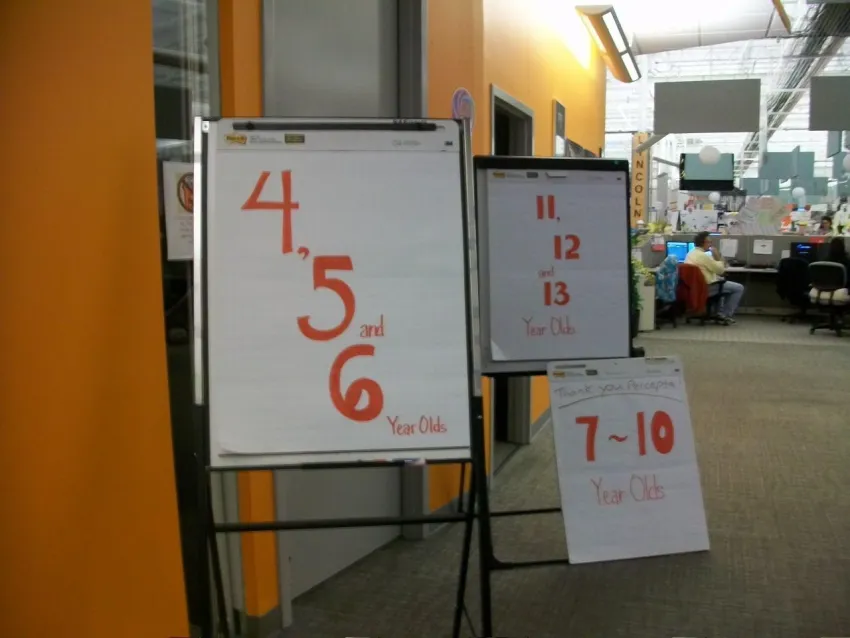
Culture in the Middle of the Chaos
Even with all those limitations, culture managed to shine through. And often, it did so in unexpected ways.
Jen recalled the hurricanes that rolled through Florida in the early 2000s. When schools closed and homes lost power, the contact center still had to stay open. It ran on generators, but parents had nowhere to send their kids.
“So, we opened the training rooms,” Jen said. “We told people to bring their children. We set up movies, crafts, computer games: whatever worked. It was improvised, but it kept us going.”
One of those kids playing in the training room? Jen’s son who, more than two decades later, joined Percepta as an employee himself.
And then came the quad wars.
“Oh, Halloween was serious,” Kim said, laughing. “Each team would transform their area into a theme. Decorations, costumes, music. We went all in. It started as fun, but it became something more. It was team identity. It was pride.”
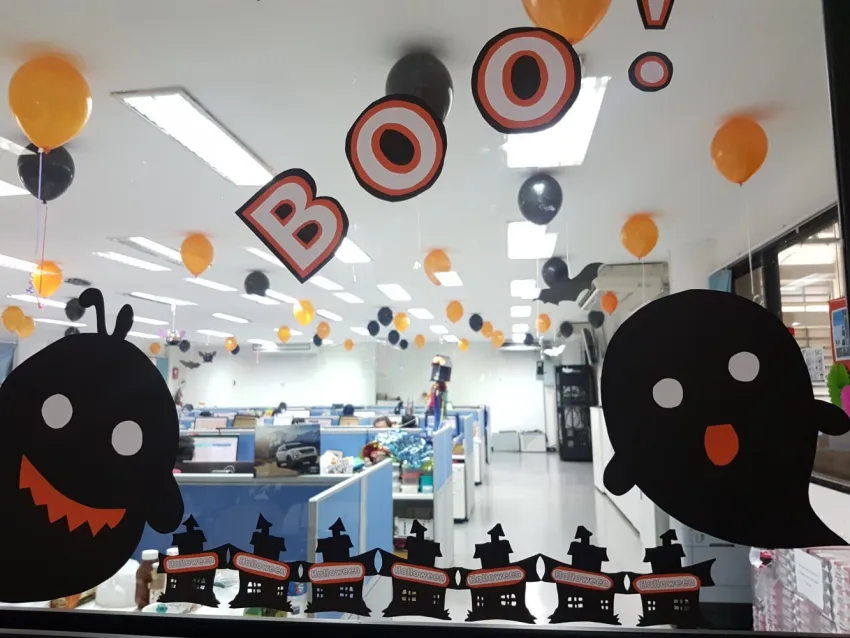
There were no official culture programs yet. No recognition platforms or branded slogans. But there was heart, and there was connection. People found ways to show up for each other and have fun, even when the tools weren’t modern and the workload was intense.
“Collaboration didn’t happen in meetings,” Kim said. “It happened in real time. On the floor. At the elbow.”
Final Thought
Looking back, it’s no surprise that Percepta enjoys one of the strongest employee tenure rates in the industry. Our average tenure is 4.3 years, and 10% of our team has been with us for more than a decade. That kind of commitment doesn’t come from perks alone. It comes from a culture rooted in trust, accountability, and the belief that people grow best when they’re supported from within.
That belief still shows up today. In 2025, more than two-thirds of our open roles are filled through internal promotion. We see it in stories like Scott Collins, who began as an agent and now serves as one of our senior leaders. Career paths aren’t just outlined here. They’re lived. They’re earned. And often, they’re built by people who started at a desk just like Jen or Kim did.
The tools have changed. Technology has evolved. But the values that shaped Percepta in those early years continue to define us. Here’s to the next 25 years of creativity, care, and customer experience.