

The EV Tipping Point: Why the Next 30 Days Could Define the Next 10 Years
By Omar Riahi, Guest Contributor
Something big is happening in the auto industry—but it might not last.
Electric vehicles are no longer just the future—they’re the smartest investment you can make today. With a wave of federal, state, and local incentives, plus cutting-edge energy programs, owning an EV in 2025 is more affordable, more rewarding, and more empowering than ever. If you’ve been waiting for the right moment to make the switch, this is it.
According to J.D. Power, new vehicle retail sales are expected to jump 7.8% year-over-year this August, with EVs making up a record 12% of those sales. That’s a dramatic increase from just 9.5% a year ago (Inc.). Kelley Blue Book reports that EV sales rose nearly 20% in July alone, with August and September poised to set records.
A major reason EV sales are surging? Time is running out on the $7,500 federal tax credit because the One Big Beautiful Bill Act eliminates the current EV credit after September 30. But recent guidance from the IRS offers a slight reprieve.
As NPR reports, buyers can still qualify if they enter a binding purchase agreement and make a payment before the deadline even if the car is delivered later. The credit applies at delivery, but eligibility is locked in by the contract date.
Bottom line: If you’re on the fence, now’s the time to act. Locking in your deal before September 30 can mean the difference between thousands in savings—or missing out altogether.
But this moment isn’t just about sales. It’s about trust. Because once the rush ends, the real test begins: Have we done enough to help customers feel confident going electric?
Unlocking the Full Incentive Picture
EVs have never been more accessible—if you know where to look.
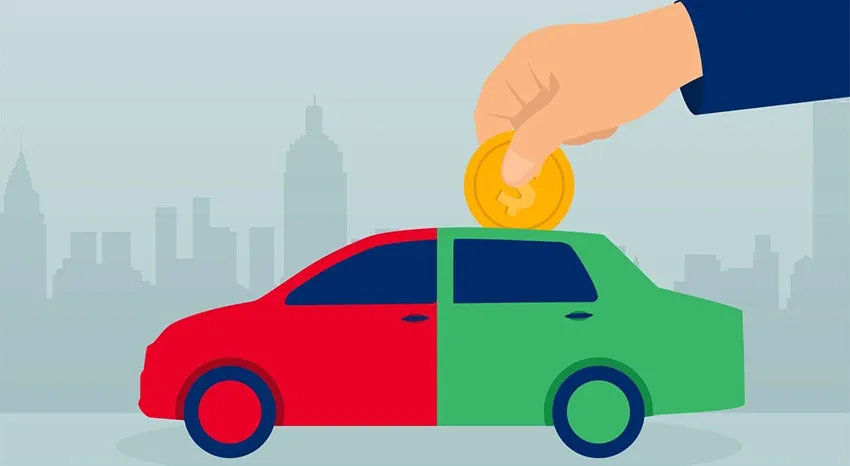
Beyond the federal tax credit, many states and utility providers offer meaningful rebates and perks that can dramatically reduce your total cost of ownership.
In Texas, incentives through the Emissions Reduction Plan can provide up to $2,500 toward your purchase. California offers rebates up to $7,500, while New York provides $2,000 through its Drive Clean Rebate. Massachusetts offers $3,500 for new EVs and $1,500 for used, making it easier to make the switch regardless of your price point.
Utilities are stepping up too. CPS Energy in San Antonio provides rebates up to $2,500 for home charger installations and offers bonuses for off-peak charging. Dominion Energy in Virginia gives customers a $125 rebate for purchasing a charger and $40 annually for participating in demand response programs.
Taken together, these programs do more than lower the sticker price—they make EV ownership more practical, more personalized, and more rewarding.
If you’re considering an EV, start with this checklist:
- Visit FuelEconomy.gov to check which vehicles qualify
- Explore your state’s rebates and local utility incentives.
- Ask your dealer about delivery timing, not just order availability
- Compare lease options as some are surprisingly competitive right now
And don’t forget: the federal tax credit expires on September 30. If you’re close to a decision, now’s the time to move.
Buying an EV Isn’t Just a Purchase—It’s a Leap
For many would-be buyers, affordability isn’t the only concern. What’s holding them back isn’t price. It’s uncertainty.
I’ve talked to dozens of drivers who are intrigued by EVs, even excited about them. But they’re also overwhelmed. The language, the tech, the infrastructure—it’s a lot to navigate. And most dealerships and sales experiences still aren’t built for education. They’re built for transactions.
That’s where customer experience matters most. Because you can’t incentive your way out of confusion.
Here are the questions I encourage every first-time buyer to ask themselves or their dealer:
Questions to Ask Yourself
- Can I install a home charger where I live or will I rely on public charging?
- What’s the typical range I need in a week?
- Do I know how to find public chargers when I’m on the road?
- Am I comfortable using the EV’s software or mobile app to manage charging and navigation?
Questions to Ask the Dealer
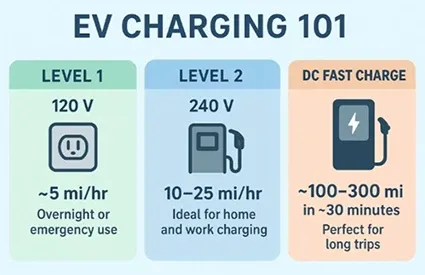
- What type of charger does this vehicle require—and is home installation supported?
- How does the brand support me after delivery (charging help, software setup, service)?
- Are there onboarding tools or tutorials for first-time EV owners?
- How long will it take to receive the vehicle not just order it?
- What local incentives or utility programs should I be aware of?
This is where the customer experience gap becomes a make-or-break moment. Without education, onboarding, and proactive support, even the best EV becomes a missed opportunity.
At Percepta, we help customers, dealers, and fleet programs close that gap. Whether it’s charger install coaching, app and telematics support, or personalized EV walkthroughs, our CX teams build confidence in the ownership experience from day one.
What Will Define This EV Moment?
Incentives may drive interest but experience is what drives adoption. The next 30 days will shape how EVs are remembered in 2025: as a spike in sales or as the start of something lasting.
At Percepta, we’ve learned that real EV adoption happens when brands build trust—not through tech specs or tax credits alone, but by helping customers feel confident every step of the way.
That means guiding them through the “firsts” from installing a home charger to navigating winter range drops. It means demystifying the tech, personalizing support, and making sure a driver never feels stuck with an unanswered question.
Because EVs aren’t just new vehicles, they represent a new relationship between drivers, energy, and mobility. And when the support is proactive, human, and well-timed, that relationship becomes one people are excited to commit to.
The surge in sales may fade. But the brands that invest in education, personalization, and customer care right now? Those are the brands drivers will remember later.
Take the next step: Visit your local dealership. Explore the models. Ask the hard questions. Whether you’re buying new or used, the future is electric—and it’s ready when you are.