

From Cold Starts to Call Spikes: A Winter CX Pattern

Originally published on LinkedIn on March 11, 2026.
It’s the first frigid morning of the season.
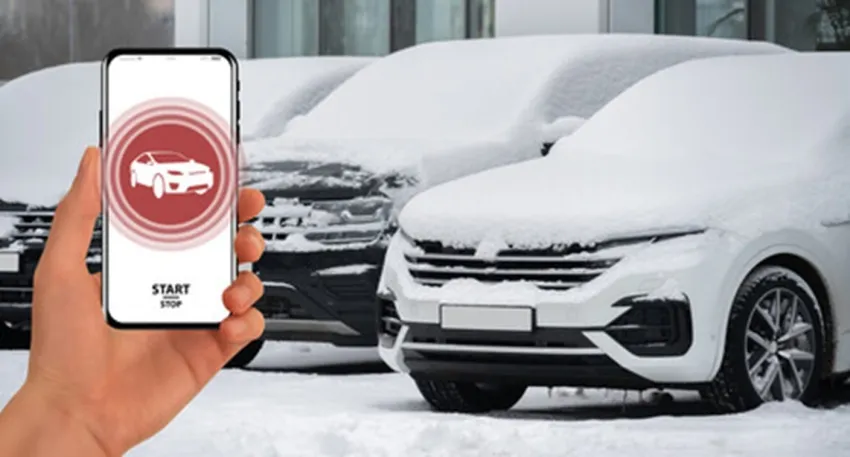
A driver opens their app to start the car. Nothing happens. They try again. Still nothing. Now the car will be freezing cold for the kids. They’re frustrated. They call support.
The agent answers and suddenly it’s more than a feature question. It’s a moment where confidence in the brand is either strengthened or weakened.
Winter has a consistent and measurable impact on automotive customer experience.
In 2024 alone, AAA handled more than 27 million roadside assistance calls in the U.S., with about 7 million tied to battery failures, an issue especially common in gasoline and diesel vehicles during cold weather. For gas and diesel vehicles, it’s not just the cold itself but the temperature swings that create problems. Rapid changes cause the battery’s internal materials to expand and contract, gradually reducing its ability to hold a charge. Once temperatures fall, the cold slows the chemical reactions needed for the battery to deliver power, making an already weakened battery more likely to fail, leading to spikes in assistance requests.
Cold also affects newer vehicle technology. EV driving range can fall by up to 41 percent at around 20°F when heating systems are in use, creating additional service and support needs during winter months.
For CX leaders, the question isn’t whether winter will disrupt the customer journey. It’s whether winter has been planned for as a known operating condition.
Why Winter Changes Customer Behavior
Features that felt optional in October become essential in January. No driver wants to step outside late at night to a car that won’t start or discover their battery doesn’t have enough charge to get them home from work.
As temperatures drop, customers rely more heavily on remote start, climate controls, seat heating, and mobile app connectivity. For EV owners, cold weather also reduces charging speed and driving range, according to the Canadian Automobile Association’s 2025 EV winter performance study.
The first real cold snap often triggers a wave of scenarios:
- Remote commands that haven’t been used since last winter
- Apps that are outdated or logged out
- Permissions or connectivity settings that have changed
When those features fail at the moment customers need them most, frustration rises and the path to resolution isn’t obvious. Customers may try the dealer, the app support number, or roadside assistance before reaching the right team. What should be a quick fix becomes a fragmented support journey.

Winter Repair Delays and the Expectation Gap
Winter introduces operational friction beyond the app.
Breakdowns and collisions increase in cold weather, placing additional strain on dealer service capacity. Seasonal weather events and parts constraints can also extend repair timelines.
As repairs take longer, customers look for clarity. Status updates. Warranty questions. Diagnostic explanations. Each request is reasonable, but collectively they compound volume across support channels.
The gap widens because most OEM apps still struggle to provide real-time service transparency. According to J.D. Power’s 2024 OEM EV App Report, many owners want integrated repair and diagnostic updates within their vehicle apps, but few platforms fully deliver that visibility.
Without clear digital updates, the burden shifts to live support teams. When winter increases both repair demand and customer uncertainty, those teams become the frontline for maintaining confidence in the brand.
Bridging the gap between drivers, dealers, and technical support can materially reduce vehicle downtime. In one commercial fleet program, Percepta helped reduce vehicle off-road time by two to four days in 2025 by accelerating parts sourcing and technical troubleshooting. For commercial fleets, where downtime can cost roughly $750 per vehicle per day, improvements like this can translate into millions of dollars in recovered productivity each year.

Where Proactive CX Turns Winter Pressure into Operational Stability
The strongest winter CX strategies focus on prevention, not absorption. Leading CX teams treat seasonal demand as predictable. They analyze historical trends, feature usage patterns, and weather triggers so they can act before support demand peaks.
Preparation often takes the form of targeted customer engagement before winter stress points hit:
- App and email reminders encouraging customers to test remote commands before the first freeze
- Targeted outreach encouraging customers to test key vehicle features or schedule winter service before major cold-weather events
- Battery preconditioning reminders or education calls that help EV owners understand winter charging and range performance
When these interventions work, the impact is visible in the data.
What might have been a single-day spike during a major snowstorm becomes a flattened demand curve, with customers testing features, resolving issues, and preparing their vehicles ahead of the weather event.
The result is fewer avoidable contacts, protected service levels, and stronger confidence in connected features when customers need them most.
Turning Seasonal Signals into CX Stability
Winter does not have to be a stress test.
When CX teams plan for seasonal patterns as a normal operating condition, contact centers shift from reactive support to operational resilience.
After 25 years in automotive CX, we know winter patterns are not surprises. They are signals. The organizations that recognize those signals early are the ones that turn seasonal pressure into smoother operations and stronger customer loyalty.