

Built for What’s Next: A Look Back at 25 Years in Automotive CX
It’s easy to say, “We’ve been in automotive for 25 years.” But unless you lived those years—really lived them— you missed more than a few gear shifts.
When Percepta launched in 2000, GM was doubling down on Oldsmobile. Toyota was still building luxury credibility with Lexus. Ford was phasing out the Bronco. And vehicle tech? Your most connected feature was a CD changer in the trunk—and maybe a flip phone that could almost fit in a cupholder.
Since then, OEMs have launched (and relaunched) entire nameplates—Hummer EV, Mustang EV. Chevy dropped the Camaro in 2000, brought it back in 2010, and plans to retire it again in 2025. New players like Tesla and Rivian have entered the market, and some players like Saturn, Mercury, Scion, and Plymouth have exited. Every product shift brought new customer expectations—and new CX challenges.
Through all of it—nameplate shakeups, new tech, changing ownership models—the one constant has been the need for exceptional customer experience. What changed was everything around it: the tools, the expectations, the pace. But the foundation? Knowing how to meet people where they are, solve problems fast, and build loyalty that lasts. That’s what’s never gone out of style.
The Car Became a Computer
A 6-hour car ride in 2000? That meant flipping through your CD binder, hoping the portable DVD player battery would last, and explaining to your kids for the 10th time what a Rand McNally atlas was. If you were lucky, the backseat had one Game Boy and two kids fighting over it.
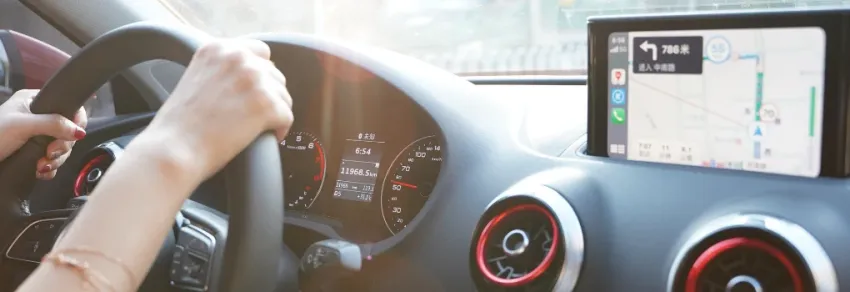
Today, your car routes around traffic, reminds you to stretch, and keeps the kids streaming in the backseat. Modern drivers experience their vehicles like smart devices—and expect service to match.
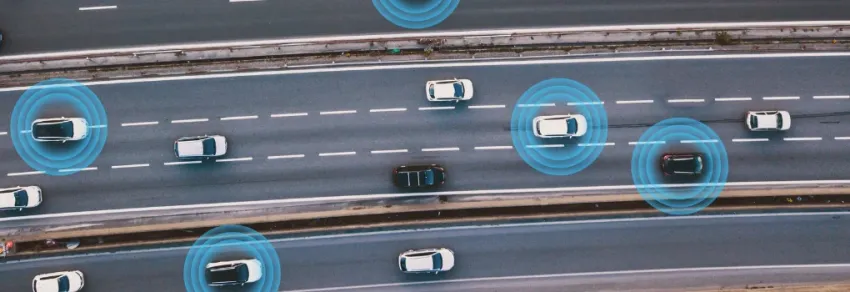
In 2000, the average vehicle had 1–2MB of onboard memory. Today, a single connected vehicle generates up to 25GB of data per hour (McKinsey & Co., Software-Defined Vehicles, 2023). And that data isn’t just for diagnostics—it powers everything from predictive maintenance to app alerts and remote configuration.
Telematics, once reserved for luxury lines, is now a core system for fleet and commercial operations. Over time, it evolved from basic tracking to powering uptime optimization, remote diagnostics, and driver performance analytics. For consumers, smartphone apps have taken the lead—offering remote start, lock/unlock, and proactive maintenance reminders. But the real CX evolution? It’s happening at scale, where support systems sync with service bays and customer apps in real time.
Layer in Advanced Driver Assistance Systems (ADAS) for adaptive cruise, lane-keep assist, 360-degree cameras, and self-parking and support gets even more technical. With vehicle health alerts, your car may even notify your dealer when it’s time for an oil change. Customers don’t just want safety; they want seamless. They expect CX teams to explain new features, troubleshoot calibrations, and deliver confidence—not confusion.
From Showrooms to Subscriptions
In 2000, revenue came from metal: vehicle sales and financing. The average new car price was around $21,850. In 2024, that figure has more than doubled, exceeding $52,000 (Kelley Blue Book, 2024). But price inflation isn’t the whole story.
What’s changed is how automakers make money. Subscription services, software updates, connected experiences, and data monetization have become new revenue pillars. The U.S. aftermarket alone is projected to hit $516 billion by 2025 (Auto Care Association, 2025 Outlook).
And the customer journey? It’s gone digital, too. Buyers reserve vehicles online, complete transactions from their couch, and get cars delivered to their driveway. Service can be remote, mobile, or pickup-and-return. CX is no longer anchored to a dealership visit—it now extends across apps, channels, and expectations.

The Electric Tipping Point
It took over a decade for EVs to reach 5% of U.S. new car sales. It took just two more years to double that (BloombergNEF, EV Market Outlook, 2024). As of 2024, EVs represent more than 10% of global sales—and that number keeps climbing.
But today’s EVs aren’t just electric—they’re smart, complex, and deeply integrated with the digital ecosystem. The average EV now includes over 100 million lines of code (Deloitte, Future of Automotive Software, 2023). The 2008 Roadster gave us torque and novelty; the 2025 EV gives us home energy syncing, real-time battery diagnostics, and multi-device app control.
That means support has to do more than explain charging times. It needs to guide customers through charger installation, troubleshoot vehicle-to-home (V2H) connectivity, and help decode regional tax credits or energy rebates. New owners want clarity—not just on how to drive—but on how to plug in, power up, and plan long-term.

What’s the Takeaway?
Twenty-five years means we didn’t react to trends—we helped define them. From call centers to command centers, from dealership loyalty to digital brand love—we’ve seen the map redraw itself. And we’re still navigating what’s next.