

5 EV Charging Trends That Are Redefining CX
EV charging is no longer just about installing stations—it’s about delivering experiences. And as more drivers plug in, the bar for infrastructure, support, and service keeps rising.
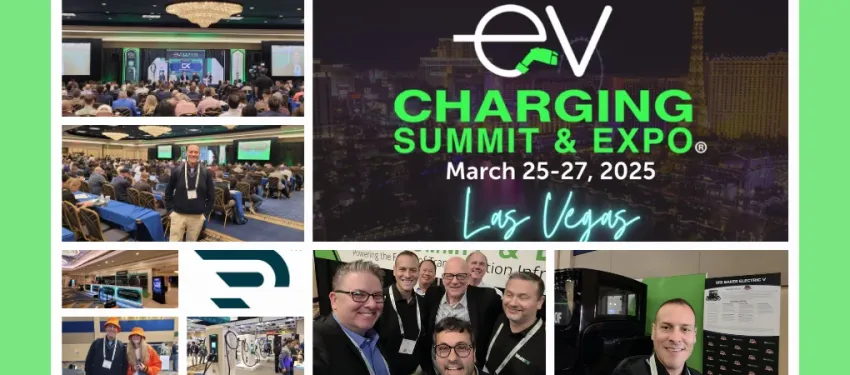
That theme was front and center at the 2025 Electric Vehicle Charging Summit & Expo (EVCS), held March 20–22 in Las Vegas. The largest event of its kind in North America, EVCS brought together government leaders, utilities, fleet operators, and innovators to share the latest in EV infrastructure strategy.
What became clear? The future of EV adoption depends on more than just charging hardware—it hinges on access, usability, and driver confidence. Without that confidence, adoption lags behind projections. And even for current EV owners, there are critical knowledge gaps: When is the best time to charge? How do I access incentives? Can my vehicle feed power back into the grid?
These aren’t just technical questions—they’re experience problems. From charger reliability to multifamily access to utility programs, each trend shaping EV charging is also a customer experience challenge in disguise.
Percepta sent our in-house EV expert, Omar Riahi, to attend. Below are the five key trends he identified—each signaling big shifts in how EVs are charged, supported, and experienced across the mobility journey.
Insights from the 2025 Electric Vehicle Charging Summit & Expo (EVCS)
Guest Author: Omar Riahi, LSSBB LinkedIn Profile
#1: Charger Reliability = Customer Confidence
“Charger anxiety” remains one of the biggest barriers to EV adoption. Many stations still suffer from downtime, confusing interfaces, or failed connections. At EVCS, leaders emphasized the push for:
– Standardized plug-and-charge tech: just plug in—no apps or RFID cards required
– Interoperability: chargers working smoothly across all networks and vehicle brands
– Remote diagnostics and faster support tools: creating confidence in the reliability of charging stations
Why it matters: The more reliable the charger, the more confident the driver—and the stronger the momentum for EV adoption.
#2: Bidirectional Charging Is Gaining Traction
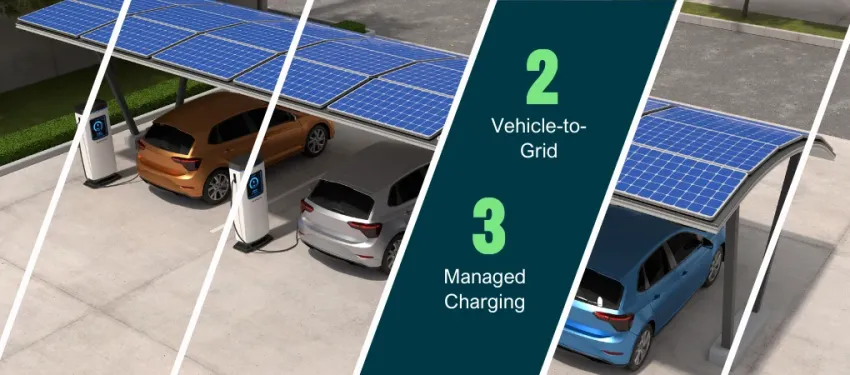
Vehicle-to-grid (V2G) and bidirectional charging are becoming more than pilot projects:
– EVs can now return stored energy to the grid during peak hours
– Utilities and automakers are exploring microgrids, smart metering, and incentive programs
Think of EVs not just as vehicles—but as part of the energy ecosystem.
#3: Managed Charging: A Win-Win for Utilities & Drivers
With the grid under strain, utilities are investing in managed charging programs—designed to shift charging to off-peak hours through:
– Real-time analytics
– Time-of-use pricing
– Utility-branded charging apps
For utilities: lower peak load. For drivers: cheaper charging. For cities: grid resilience.
#4: Closing the Gap: Charging for Multifamily Homes
A major equity issue in the EV space? Access to charging for apartment and condo residents.
– Installing Level 2 chargers in shared garages remains complex and expensive
– Many renters lack dedicated parking
– Permitting and policy are lagging behind demand
Without solving this, EV growth will stall in key urban markets.
#5: Innovation + Investment = Acceleration
The future of EV charging is being shaped at the intersection of policy, capital, and creativity:
– New public-private financing models for underserved regions
– Subscription-based charging access (like a Netflix for kilowatts)
– Breakthroughs in ultrafast charging and modular station design
This is where EV CX expectations are being set—often before a driver even touches the wheel.
Why It Matters for Contact Centers
As EV infrastructure scales, the contact center becomes the front line of the EV ownership experience. The charging journey isn’t just technical—it’s real-time, emotional, and often unfamiliar.
And that’s exactly where customer experience can move the needle. CX isn’t just supporting EV adoption—it can play a critical role in accelerating it. When chargers fail, incentives are unclear, or access is unequal, it’s the contact center that fills the gap: informing, guiding, and building trust.
That means CX teams aren’t just agents. They’re:
– EV onboarding coaches and educators
– Connected services troubleshooters
– Confidence-builders for first-time adopters and fleet managers alike
Because here’s the reality: Charging uptime is table stakes. Driver trust is the differentiator. And customer service—whether through live agents, chat, or proactive digital support—is the confidence layer that turns charging friction into momentum. In an industry still finding its footing, CX is what makes the future of EV feel possible.
Are You Ready for the Future of EV Charging?
At Percepta, we help OEMs and mobility brands operationalize EV support across every touchpoint—from technical diagnostics and in-app troubleshooting to loyalty-building customer care.
Whether you’re solving for the first charge or the fleet-wide rollout, we believe exceptional CX is what powers sustainable adoption.
Are your contact center systems and teams ready to support the EV experience of tomorrow?